What Goes into a Cantonese Roast Duck?
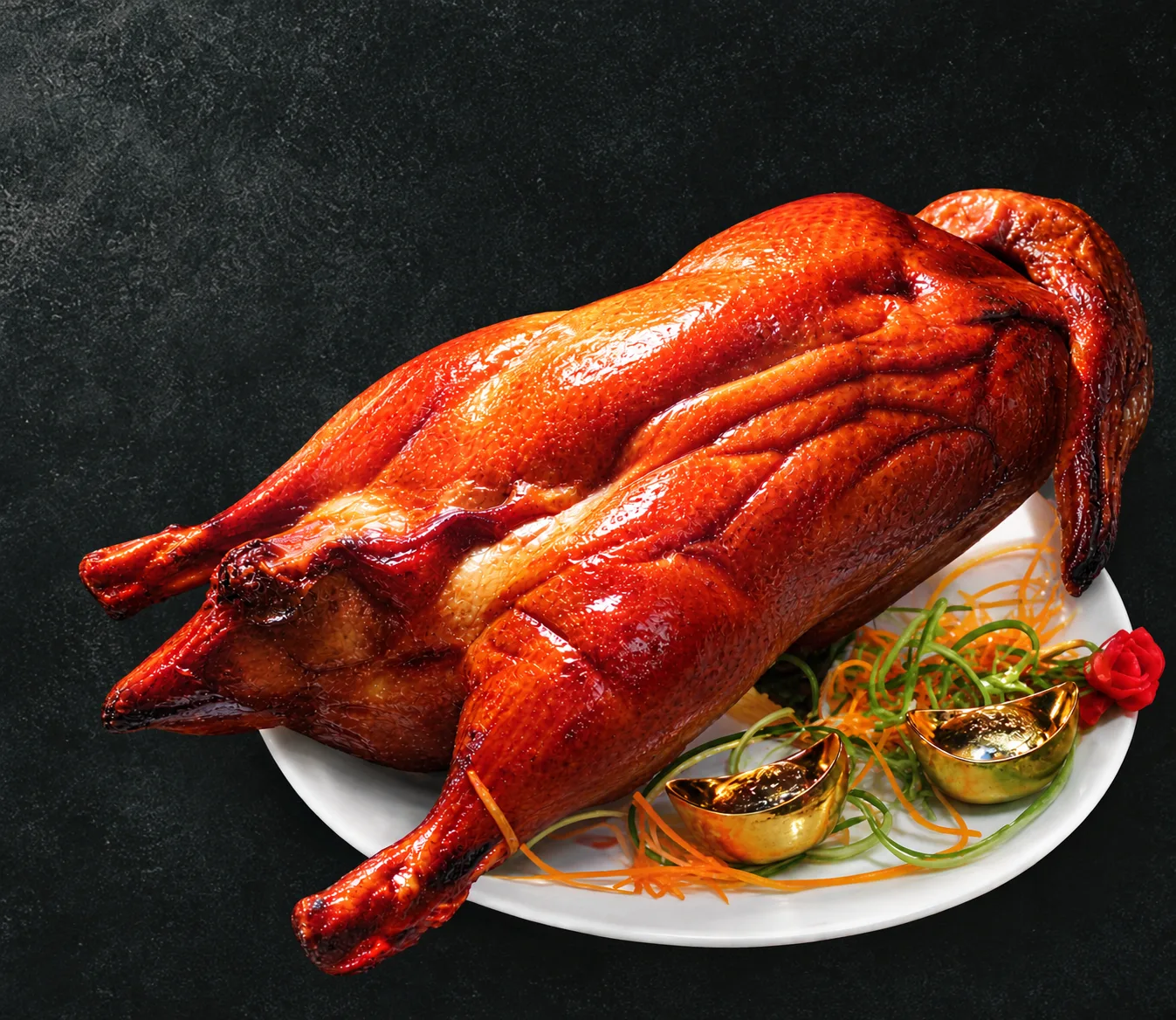
A glossy, reddish roast duck hanging in the window has gone through seven or eight steps and nearly a full day of work before it reaches the table. Most of that work happens out of sight.
Choosing the Duck: Start with the Frame
Cantonese roast duck is judged by crisp skin, tender meat and balanced fat. A bird that is too lean turns dry; one that is too fatty will not render properly beneath the skin. Our chefs select ducks with an even frame and full breast, checking each delivery by sight and smell before it enters the kitchen.
Marinating: Seasoning from Within
After the duck is cleaned, a carefully mixed seasoning is rubbed inside the cavity. This sets the flavour of the meat: crisp skin alone is not enough if the meat underneath is bland. The duck is then left to rest so the seasoning can work its way into the fibres.
You Kee XO has used its marinade recipe since 1996. Head chef Lin Jun You established the blend, and the same proportions are prepared at the central kitchen for all nine branches.
Scalding and Air-Drying: The Key to Crisp Skin
Hot water tightens the skin before a layer of syrup is applied. The duck is then hung in a drying room for several hours. The air must remove moisture from the skin without drying out the meat.
Many people think crisp skin comes from oven heat. In fact, it begins with air-drying. If moisture remains in the skin, it turns to steam in the oven and keeps the skin from crisping.
Roasting: Judgement by Hand
The duck is roasted over an open flame. During cooking, the chef turns it and adjusts its position, moving any side that colours slowly closer to the heat. Oven temperature is not just a number; the chef judges it by colour and sound.
When the skin turns a deep date-red and the fat begins to sizzle as it drips, the duck is ready. It rests for a few minutes before carving so the juices stay in the meat.
How to Enjoy It
Start with the skin while the duck is hot; its crispness lasts only a short time. Order by cut: the upper half is more tender, while the lower half includes the leg for a firmer bite.
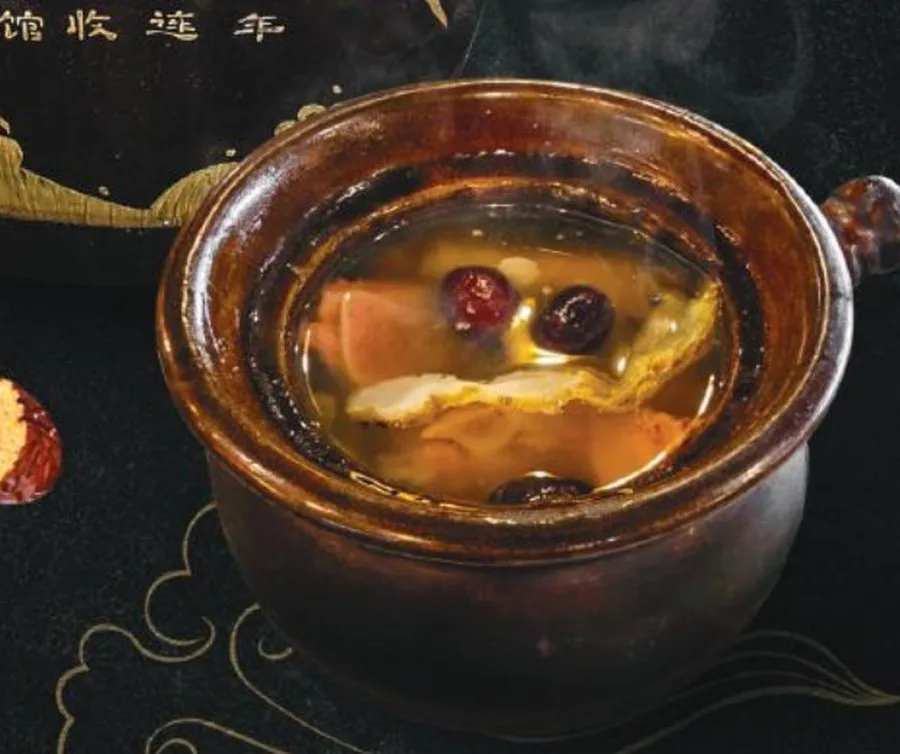
Pair it with a bowl of claypot slow-simmered soup and a plate of greens for a satisfying Cantonese meal.