Why Does Claypot Soup Simmer for Sixteen Hours?
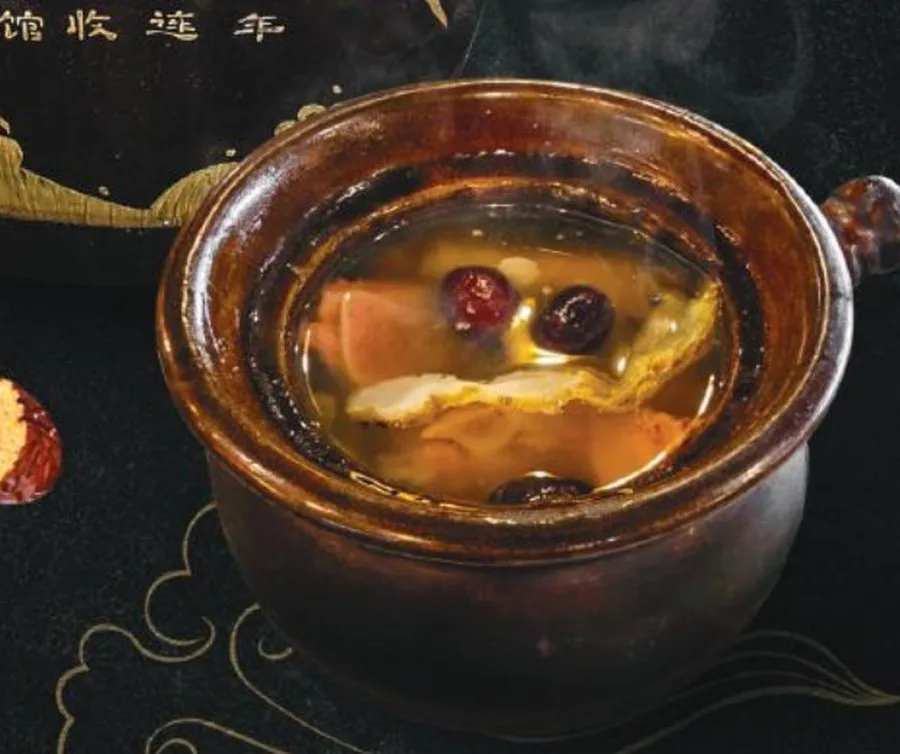
The waist-high black claypot in the restaurant is often mistaken for decoration. It is actually a stove. Charcoal burns inside, with small bowls of soup arranged in a ring so the heat can reach them slowly from every side.
What Is Claypot Soup?
Claypot slow-simmering is a traditional method from Jiangxi. Soup ingredients are placed in small earthenware pots, sealed, and arranged inside a large claypot. Charcoal burns underneath, and the gentle residual heat slowly cooks the soup instead of boiling it over a high flame.
Clay conducts heat gradually and evenly. The soup stays just below a rolling boil, so the liquid does not churn and the broth remains clear.
Why Sixteen Hours?
Soup cooked quickly over high heat can taste bright on the surface. Slow-simmered soup develops flavour throughout the broth. Collagen from the meat, marrow from the bones and aroma from the herbs all need time to release. Four hours is not an arbitrary rule; it is the time the ingredients need.
A properly simmered soup tastes full-bodied without turning cloudy. Let it cool slightly and a gentle sweetness comes through. That is the part no shortcut can reproduce.
Soup of the Day
You Kee XO’s traditional claypot soups change daily according to the ingredients available. The combination of herbs, meat and mushrooms varies. Call the branch to find out what is simmering that day.
The menu also features Seafood in Huadiao Wine Broth, prepared with red snapper or Nile perch and seafood. It is served in a pot to share.
A Malaysian First
You Kee XO was the first restaurant in Malaysia to make traditional folk-style claypot soup a permanent menu feature. It has been on the menu since 1996 and remains one of the dishes long-time customers order most.